SafeRide Health (SRH) is the new provider for all NEMT rides to doctor appointments and pharmacy visits.
Depending on your needs, rides may include wheelchair-lift-equipped vehicles, stretcher vans, minivans, or ambulatory vans. Please let SRH know what type of ride you need when scheduling.
SafeRide Health (SRH) es el nuevo proveedor de todos los servicios de transporte médico que no son de emergencia (NEMT, por sus siglas en inglés) hacia consultas médicas y farmacias.
Según tus necesidades, los servicios de transporte pueden incluir vehículos con elevador para sillas de ruedas, camionetas con camilla, minivans o camionetas ambulatorias. Por favor, informa a SRH qué tipo de transporte necesitas al programar tu traslado.
April is Sexually Transmitted Disease (STD) Awareness month
April is Sexually Transmitted Disease (STD) Awareness month. Cases of sexually transmitted diseases continue to increase in the U.S. The CDC’s new estimates show that there are about 20 million new infections in the United States each year, costing the American health care system nearly $16 billion in direct medical costs (cdc.gov). Because many cases of STDs go undiagnosed—and some common viral infections, such as human papillomavirus (HPV) and genital herpes, are not reported to the CDC at all—the reported cases of chlamydia, gonorrhea and syphilis represent only a fraction of the true burden of STDs in the United States (Healthy People.Gov). This month, and every month, we encourage providers to empower their patients to practice safe sex to protect themselves and their partners.
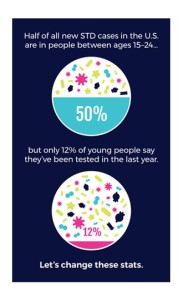
Anyone who is sexually active is at risk of contracting a sexually transmitted disease, however, some populations are more affected than others. The CDC estimates that youth ages 15-24 make up just over one quarter of the sexually active population but account for half of the 20 million new sexually transmitted infections that occur in the U.S. each year (CDC). Women endure more serious STD complications than men.
Additionally, the following factors increase your risk of exposure to an STD:
Unprotected sex
Alcohol and drug abuse
Sex with multiple partners
Having a history of STDs
Rape or sexual abuse
Studies have shown that patients want to speak with their providers about sex. While it may be challenging, talking about sex and sexual history should be a part of a patient’s routine care. Patients should be educated on the ways to prevent STDs, screening and treatment options.
There are several ways to reduce the risk of an STD:
Abstain
Use condoms
Vaccinations are available for prevention of HPV, Hepatitis A and Hepatitis B
Testing partners before having sex
And other ways, including medication
During this time, encourage patients to avoid sex and kissing if they or their partner have COVID-19 or a medical condition that may lead to severe illness from COVID-19. Screen for STDs as recommended and follow the CDC’s STD treatment guidelines for patients who have STDs or may be at risk for STDs.
Resources:

 April is Sexually Transmitted Disease (STD) Awareness month. Cases of sexually transmitted diseases continue to increase in the U.S. The CDC’s new estimates show that there are about 20 million new infections in the United States each year, costing the American health care system nearly $16 billion in direct medical costs (
 Additionally, the following factors increase your risk of exposure to an STD: